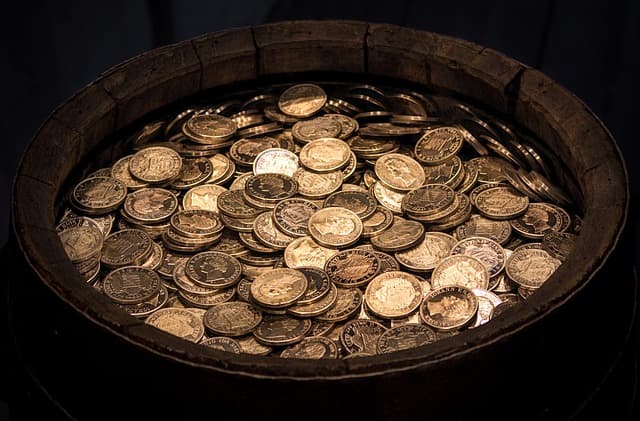
Game economics is a system of rules and mechanics that governs the distribution of resources, currencies, and goods within a game. It plays a key role in creating an engaging and balanced gaming experience. Understanding the basics of game economics will help you better understand how games work and why they are so engaging. It is important to note that game economics is not limited to in-game aspects; it can also include interactions with the real world through microtransactions and other forms of monetization.
Game economics can be complex and multi-layered, incorporating many different elements and mechanics. For example, in some games, the economy may be based on real-world economic principles such as supply and demand, inflation, and deflation. In other games, the economy may be more simplified and linear, but still play an important role in the gameplay.
Key elements of game economics
Currency
Currency in games can vary from gold and coins to crystals and points. It is used to purchase items, upgrades, and other game resources. Some games may have several types of currency, each with its own purpose. For example, mobile games often have two currencies: one that can be earned in the game and another that can be purchased with real money. This creates an additional layer of strategy and motivation for players.
In some games, currency can also be used for betting or participating in various game events. For example, in casino games, players can use in-game currency to participate in various gambling games, which adds an element of risk and reward.
Resources
Resources include materials, energy, time, and other elements that players can collect and use to achieve their goals. For example, in strategy games, resources may be wood, stone, and iron, which are necessary for constructing and upgrading buildings. In role-playing games, resources may include potions, crafting ingredients, and other items that help players progress.
Resources may be limited, adding an element of strategy to the game. Players must make decisions about how best to use their resources to achieve their goals. This may include trading with other players, completing quests, or participating in various in-game events.
Goods and items
Goods and items are anything that players can buy, sell, or trade. They can include weapons, armor, potions, cosmetic items, and more. These items often have varying values and rarities, making them an important part of the game economy. For example, rare items can be very valuable and difficult to obtain, making them highly desirable to players.
Some games also include a crafting system, where players can create their own items from collected resources. This adds an extra layer of depth and strategy to the game, as players must decide which items they need and how best to use their resources to create them.
Services
Some games offer services such as item repair, skill training, or teleportation. These services may require payment in currency or resources and add an extra layer of depth to the game economy. For example, in MMORPGs, players can pay to have their equipment repaired after battle or to learn new skills from NPCs.
Services can also include various bonuses and upgrades that help players progress faster. For example, in mobile games, players can pay to speed up construction time or for extra attempts in mini-games. This creates an additional incentive for players to spend in-game currency or real money.